

The Conversations Nobody Wants to Have Made Fun.
We’re on a mission to make conflict less intimidating
and more constructive
How We Make the Awkward More Productive
No lectures disguised as training. We start by understanding what’s really going on, then build an experience around the conversations your people actually need to have.
Before we suggest anything, we talk with the people involved. We ask questions, uncover what’s getting in the way, and get a feel for the conversations happening—or not happening.
We create a tailored agenda using realistic situations, familiar tensions, and the moments your team actually encounters. Because generic scenarios rarely help with specific problems.
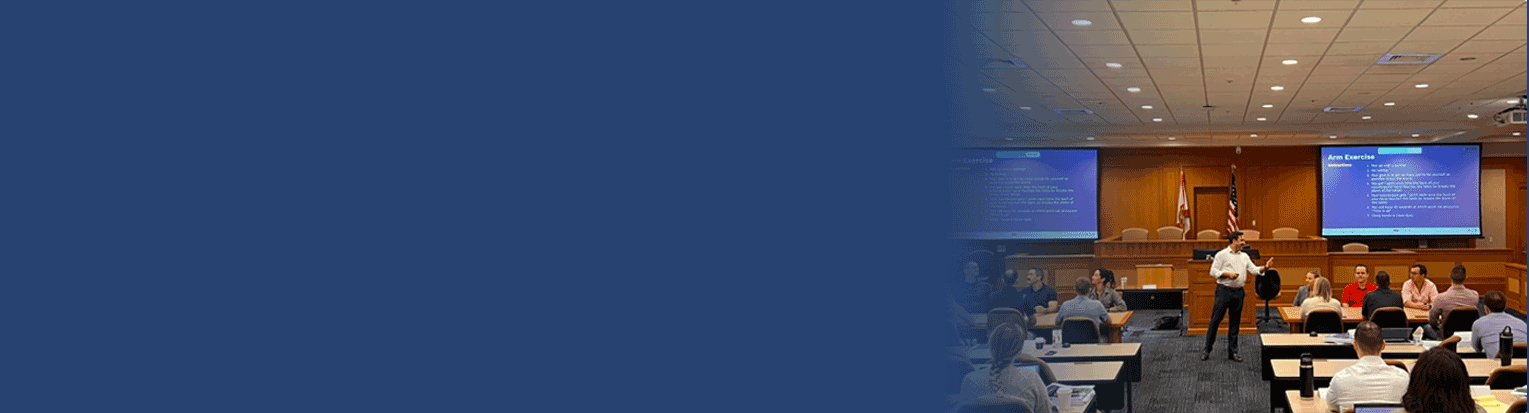
This is not a sit-back-and-watch kind of training. Participants talk, try, reflect, occasionally stumble, and leave better prepared for the conversations waiting for them in the real world.
The work doesn’t end when the session does. We follow up, answer lingering questions, and help turn what participants learned into something they can actually use.
The Settings for the Conversations that Matter
Some conversations need a rehearsal. Others need a reset—or a neutral person in the room. We help people prepare, participate, and move forward.
Training Labs & Simulations
Interactive negotiation skills training built around the situations your people actually face, using realistic practice instead of generic scripts or lectures.
Good Conversations. Great Company.





Questions are Kind of Our Thing
Negotiation and conflict resolution training helps people communicate more effectively when workplace conversations become difficult, tense, or emotionally charged. Mindful Negotiating uses interactive exercises and realistic simulations so participants can practice negotiating, giving feedback, managing disagreement, and resolving conflict in the workplace.
Leaders, teams, HR professionals, and organizations can all benefit from negotiation and conflict management training. It is especially valuable for people who handle difficult conversations, workplace tension, organizational change, performance feedback, or disputes.
We begin by interviewing key stakeholders to understand the organization, its people, and the conversations creating the most tension. We then build a tailored agenda with realistic case simulations based on situations participants may actually encounter.
Yes. Mindful Negotiating offers interactive training labs, simulations, retreats, and other programs both in person and virtually. Each experience is designed around the organization’s needs, participants, and goals.
An organizational ombuds is a neutral, confidential resource who helps people understand their options and navigate workplace concerns or conflict. An ombuds does not take sides or make decisions, but helps individuals identify productive ways to move forward.